What the research shows for produced water and heavy crude.
Produced water, heavy crude and biofilm: what published research reports when ultrafine bubbles go inline, and the hardware we build behind those mechanisms. Nothing on this page is our own field measurement.
(Reported Range 33–84% · Published Research)
(Residual Oil < 4 mg/L · Published Research)
(CO₂/N₂ Bubbles · Published Research)
Heavy crude, dirty water, costly chemistry
Produced water is expensive to treat. Heavy crude won't flow without heat or chemicals. Biofilm clogs your pipes and forces shutdowns. Every workaround adds cost, complexity, and compliance risk.
One inline platform, three published mechanisms
In published trials, hydrodynamic cavitation and ultrafine bubbles cut heavy-crude viscosity by up to 40% (reported range 33–84%), separated crude from produced water at 99% efficiency down to under 4 mg/L residual, and oxidized the sulfate-reducing bacteria that build pipe-clogging biofilm. Kairospace has no oil and gas installations and nothing measured in the application — we build the inline hardware behind those mechanisms.
Key benefits
Cleaner produced water, lower cost
In published trials, ultrafine bubble flotation separated crude at 99% efficiency, leaving under 4 mg/L residual — with less of the chemical dosing, sludge disposal and maintenance that conventional treatment carries.
More oil from every well
Peer-reviewed trials report heavy-crude viscosity cut by up to 40% (range 33–84%), improving flow without costly heating. The mechanism applies in both downhole EOR and surface processing.
Attack biofilm, avoid shutdowns
In published work, ozone ultrafine bubbles oxidize sulfate-reducing bacteria and the biofilm they build — the mechanism behind lower corrosion risk and less unplanned downtime. No kill rate is quoted here because none of the work on this page measured one.
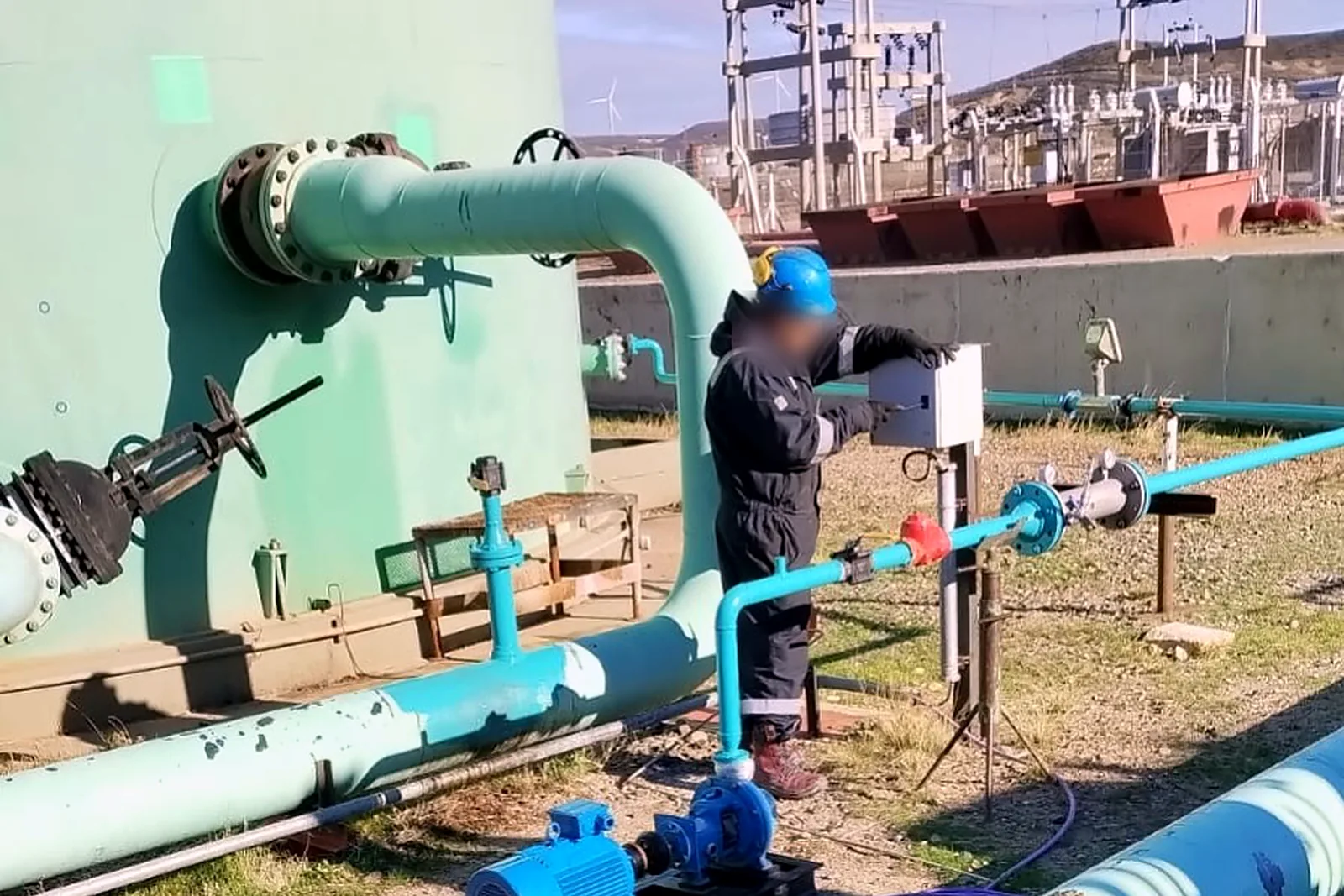
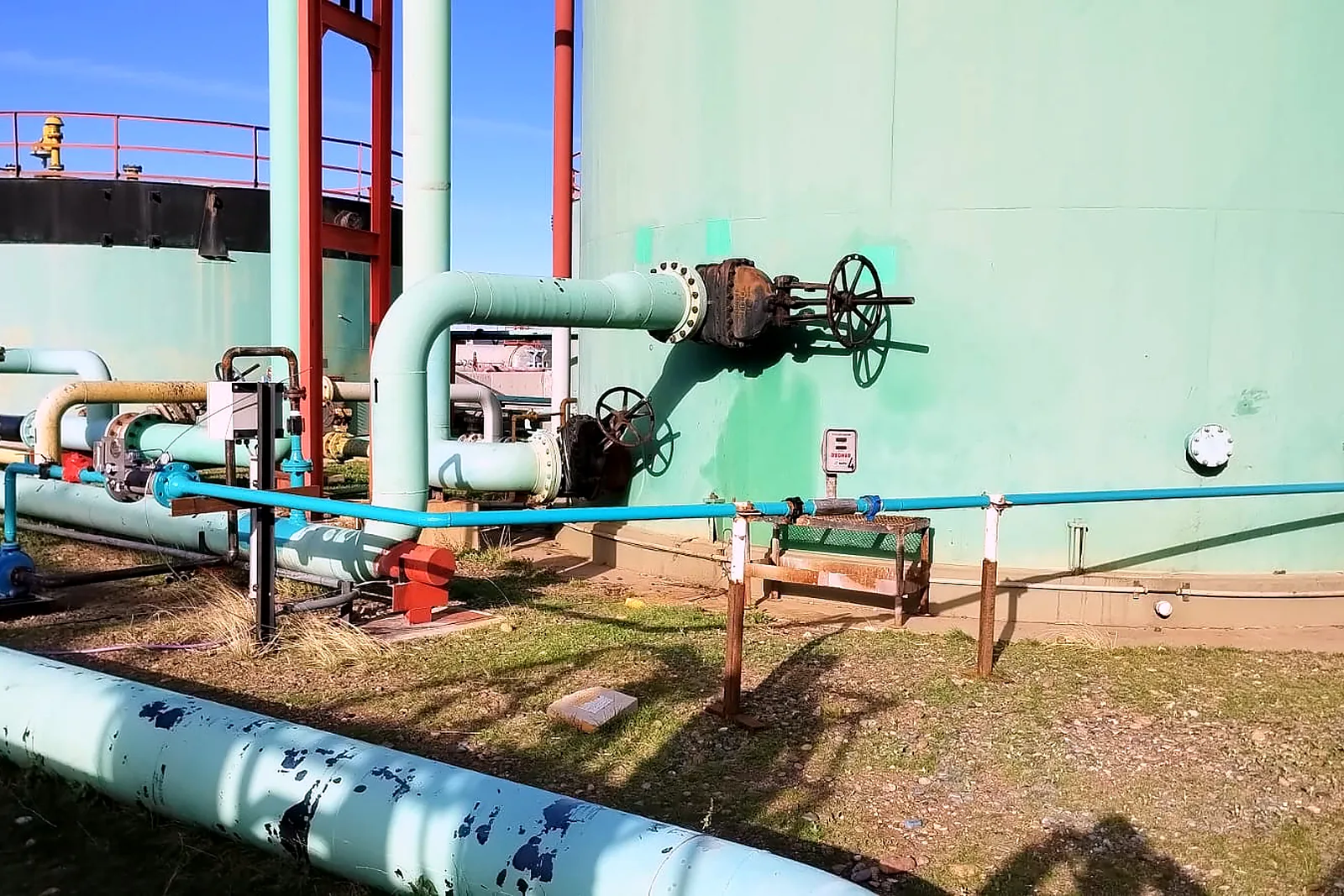
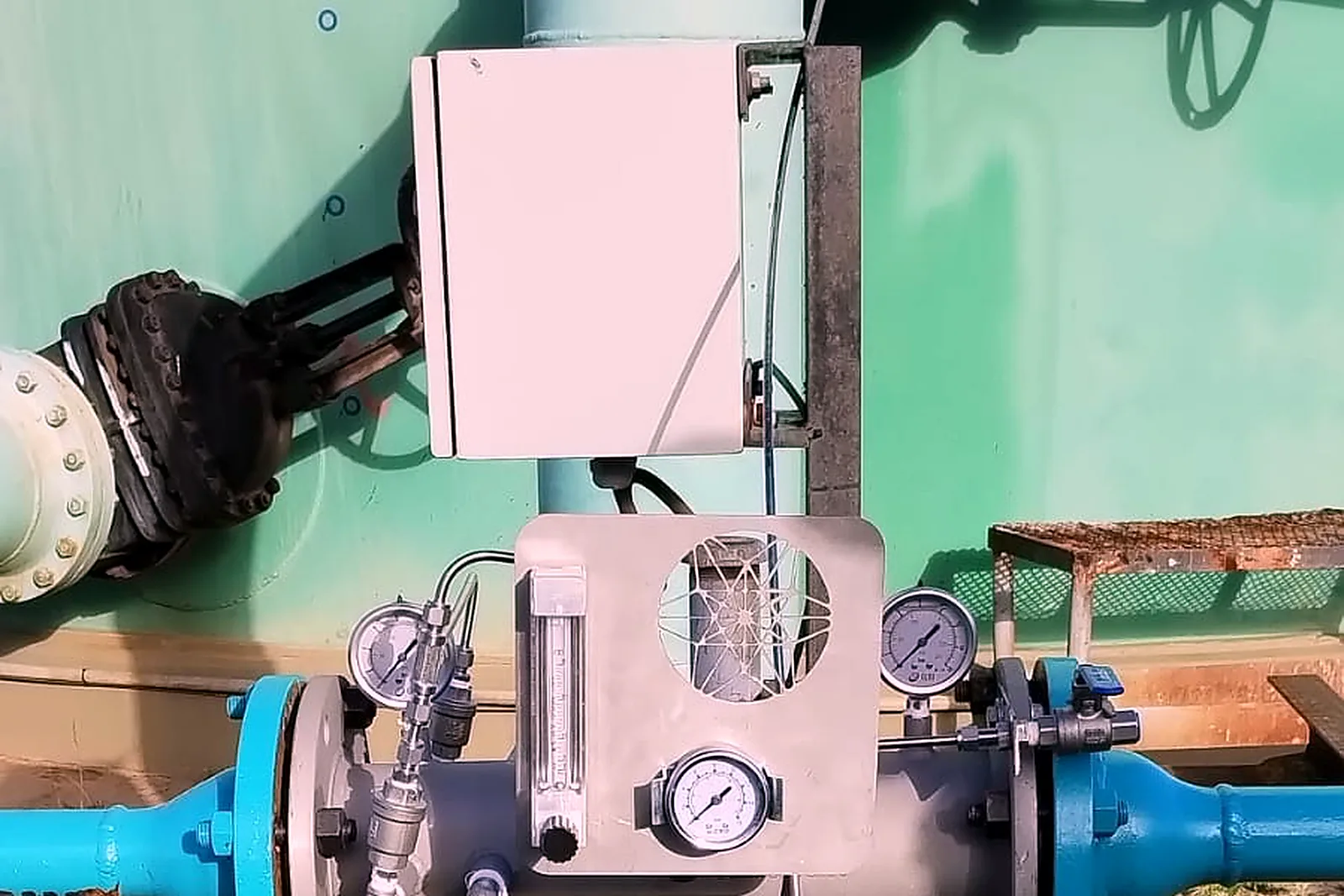
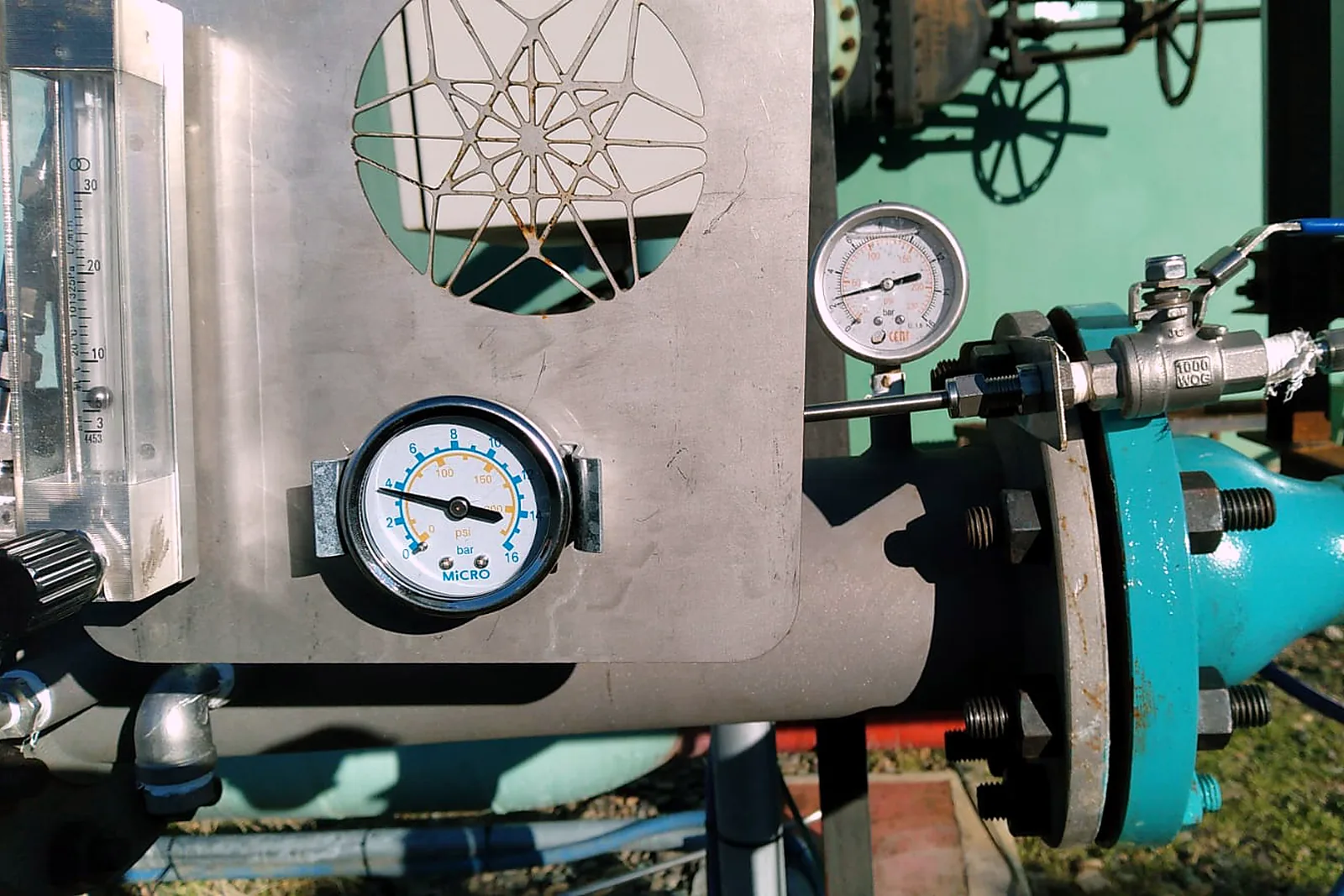
See the hardware. Installed at a tank battery.
Kairospace injectors, control and metering panels tied into surface water handling at a tank battery. These are our own frames of our own equipment — and they are water-handling kit at the surface, not an oil and gas production installation. Every figure on this page is published research.
What would less chemistry and more uptime mean for your bottom line?
Tell us about your operation — produced water volumes, crude type, and current treatment costs. We'll send your project proposal in 48 hours.
Ask for a worked analysisWhat buyers in oil and gas ask before a test
Do you have field installations in oil and gas?
Not production installations, and nothing measured in the application. Our injectors, control and metering panels are installed at a tank battery on surface water handling — water-handling kit, not an oil and gas production installation. Every figure on this page is published research.
Can we test produced-water separation on our own water?
We can scope one. In published trials, ultrafine bubble flotation separated crude from produced water at 99% efficiency, leaving under 4 mg/L residual oil — on other people's water and emulsions, not yours. A test on your water settles what those results mean for your operation.
Why is there no calculator for oil and gas?
We do a worked analysis instead. With no field data of our own in the application, the honest figures are wide published ranges — heavy-crude viscosity reductions run up to 40% in published research, with a reported range of 33–84% — and a calculator would hide that spread. We map the published work onto your operation and say where inline hardware would sit and where it would not.
What goes into a worked analysis?
Your produced water volumes, crude type and current treatment costs. We map the published mechanisms — separation, viscosity, biofilm — onto your operation and send the proposal within 48 hours, with every figure marked as published research.
What about biofilm and sulfate-reducing bacteria?
In published work, ozone ultrafine bubbles oxidize sulfate-reducing bacteria and the biofilm they build — the mechanism behind lower corrosion risk and less unplanned downtime. No kill rate is quoted, because none of the work on this page measured one.
What the research says, and what we build
Each problem below is paired with the published work on it and with the hardware that puts the mechanism in your line. Figures are other people's trials unless marked KST field data.
Figures below are from independent, peer-reviewed studies unless marked KST field data.