What was measured
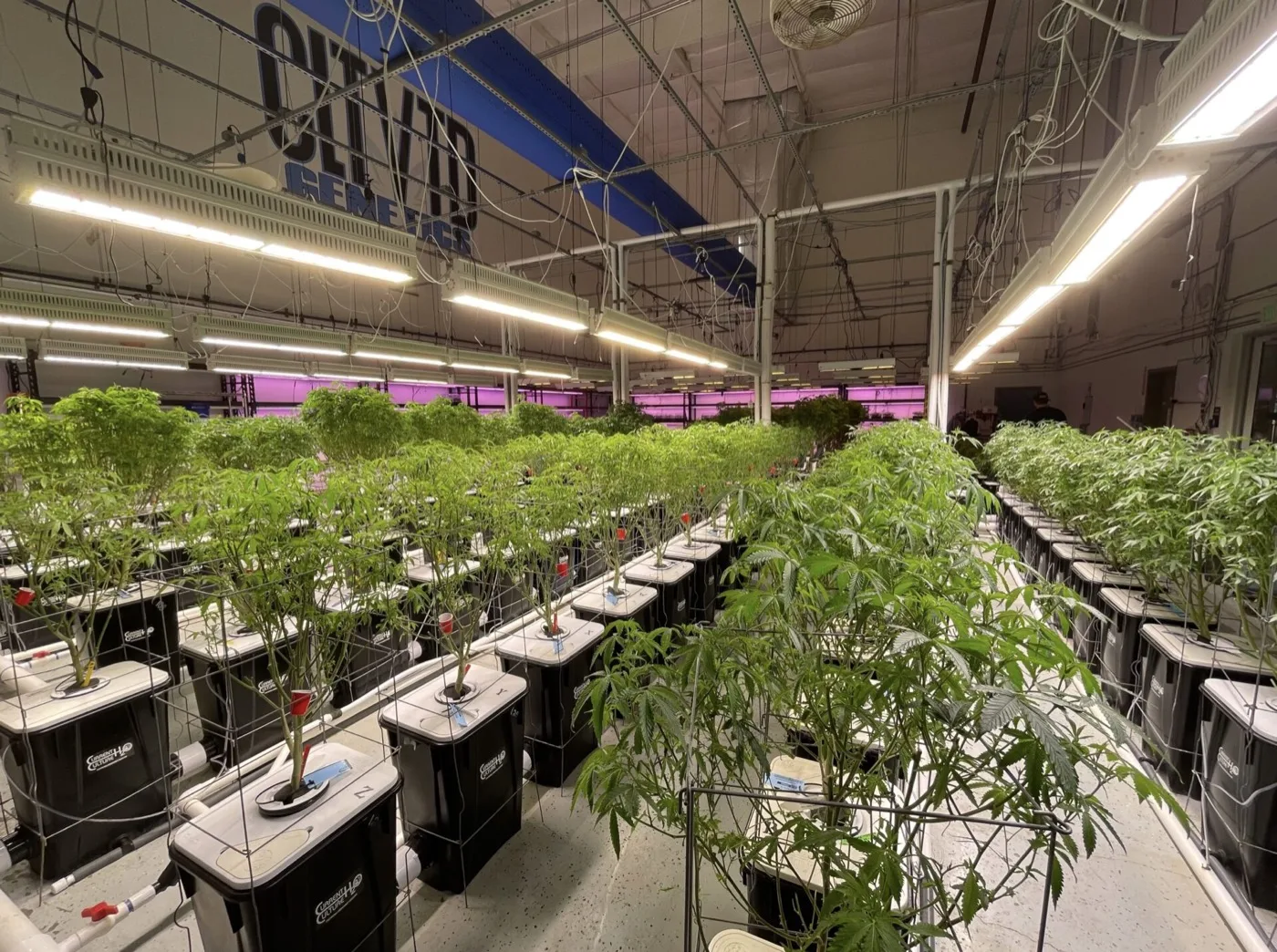
CLTVTD Genetics runs an indoor cannabis nursery in Sacramento. It raises mother plants in deep water culture (DWC) and sells first-generation clones derived from tissue-culture mothers, with regular plant-pathology screening of its stock. The goal of the trial was to raise dissolved oxygen (DO) in the mother room’s DWC system and hold it there.
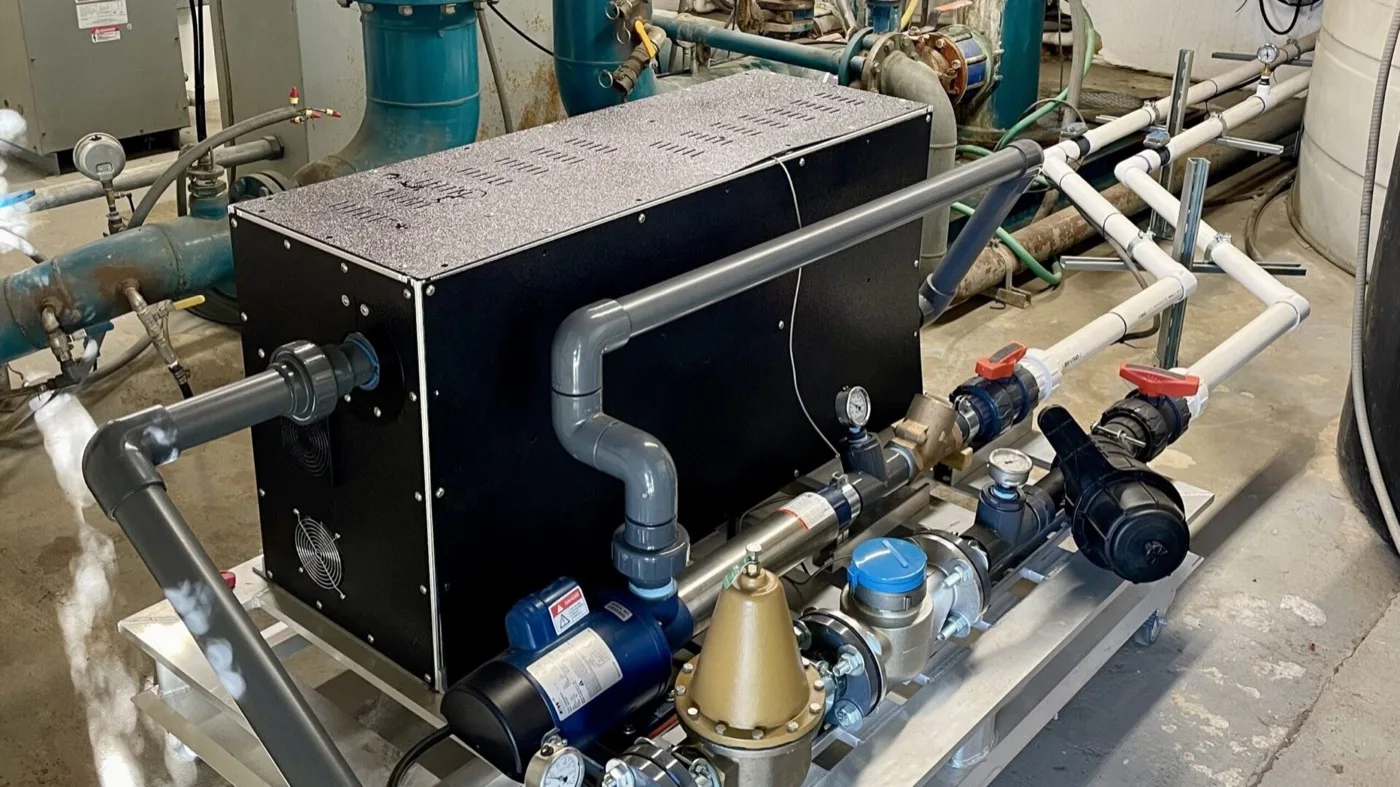
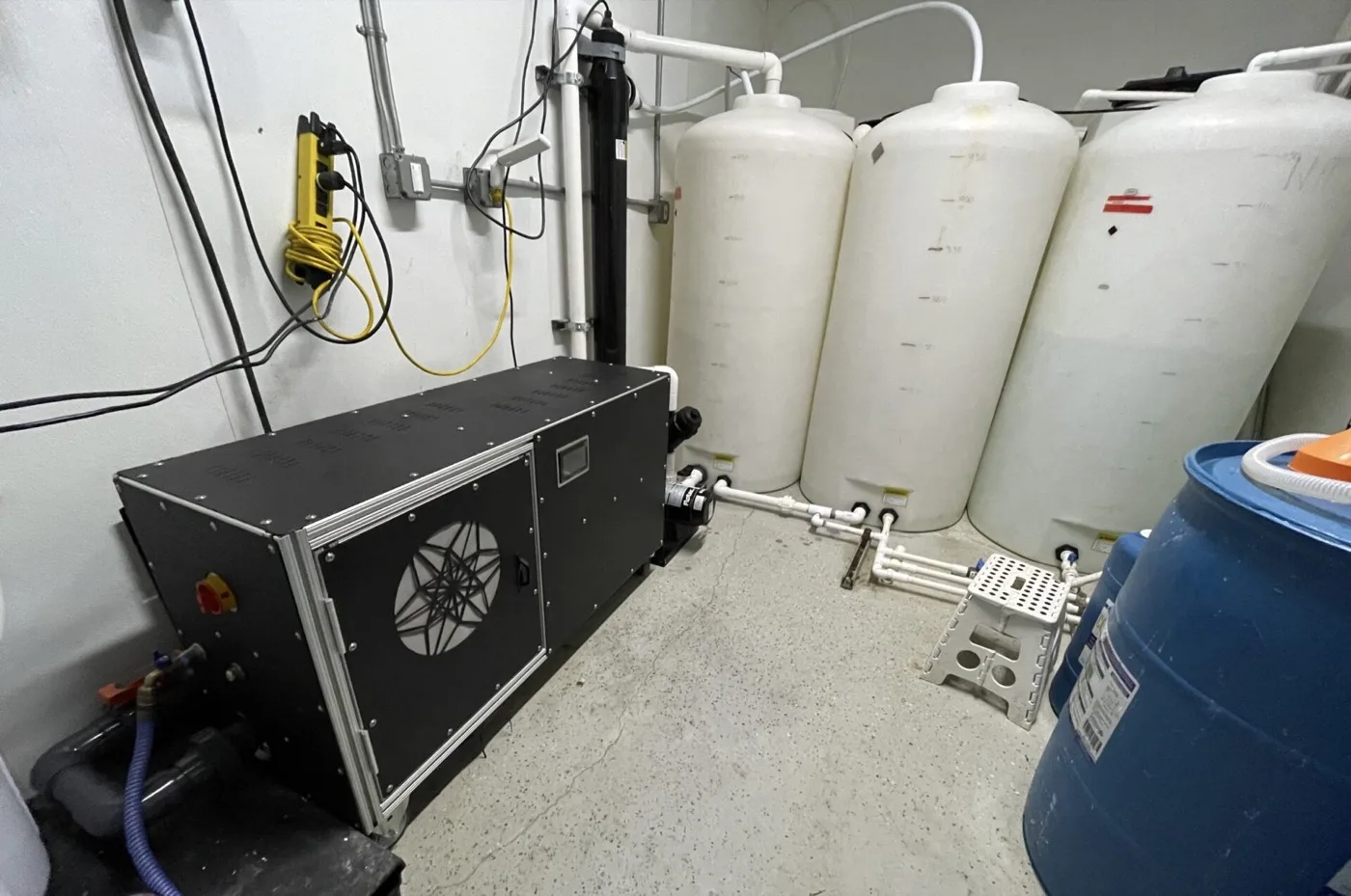
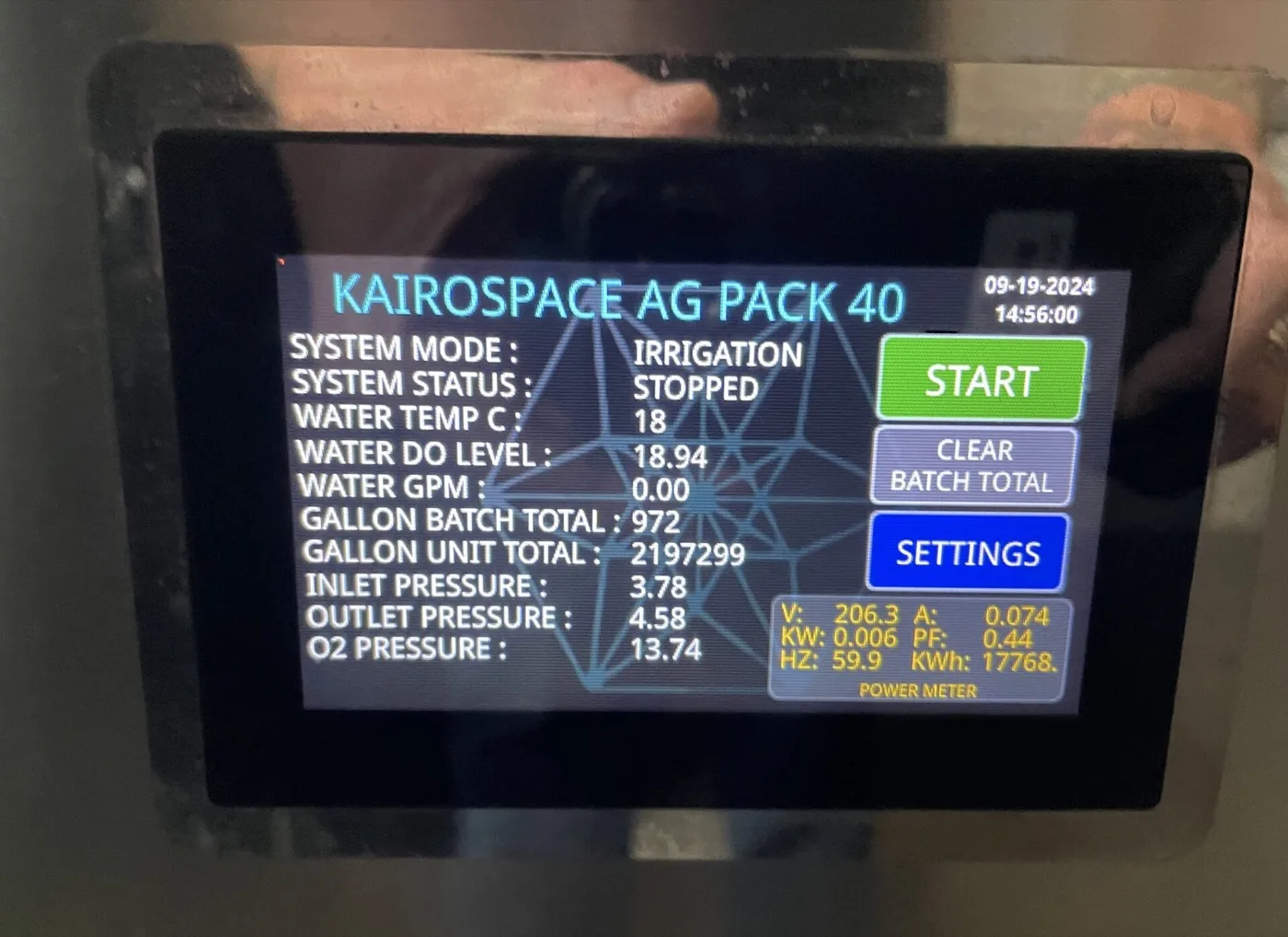
- Setting. The Kairospace AG PACK treating the water that feeds the mother plants’ DWC reservoirs.
- The grower’s goals. Raise DO and hold it in the grower’s own 16–18 ppm target range; improve plant performance; keep pathogen pressure low on mothers and clones, alongside the nursery’s sanitation and screening; and validate the irrigation method.
- Comparison. Cuts per plant and DO against the nursery’s own recorded history before installation. No concurrent control room.
- Protocol. Data collected and verified through a customer feedback protocol and the nursery’s recorded historical data. No other changes were made to the grow during the multi-cycle trial.
- Duration. Multiple cycles; the page does not record how many.
Results
- +25–35% cuts per plant · Customer-reported
CLTVTD Genetics reports the increase in average cuts per mother plant. These are propagation cuttings, not flower yield. - +242% dissolved oxygen · Customer-reported · baseline not recorded
The grower reports the increase. The before and after readings behind it are not recorded here, so the percentage cannot be checked against a ppm pair. - DO held in the grower’s 16–18 ppm target range · Customer-reported
The grower credits the steady range for nutrient uptake, plant vitality and lower pathogen pressure. - Healthier mother-stock root zones · Customer-reported
The mothers showed more robust roots, which the grower links to higher-quality cuts and better propagation.
In short: over a multi-cycle trial with no other changes to the room, the grower reports more cuts per mother plant and steadier dissolved oxygen, recorded through its feedback protocol and historical records.
What this does not show
- Every figure here is reported by the customer, not measured by Kairospace instruments.
- The +242% has no recorded baseline on this page. It is the grower’s figure and cannot be recomputed here.
- Cuts per plant are propagation output from mother stock, not flower yield, and say nothing about yield in a flowering room.
- One nursery, compared against its own history rather than a side-by-side control room. Dissolved oxygen supports the nursery’s sanitation and pathogen screening; it does not replace them.
In the customer’s words
“Since installing the Kairospace system, our DO levels are stable and showing significant improvements, with an increase in average cuts per plant of 25–35% while producing a healthier mother stock root zone. Finding the optimal range of Dissolved Oxygen has shown that 16–18 ppm is ideal for cannabis cultivation. This allows the most optimal rates for nutrient uptake, plant health, and pathogen prevention.”
The 16–18 ppm range is the grower’s own target from his own rooms, not a Kairospace recommendation.
Glossary
Clones
Cuttings taken from a mother plant and genetically identical to it. Growers use them for consistency: a clone carries the mother’s traits, where seed can vary.
Deep water culture (DWC)
A hydroponic method in which roots hang in an oxygenated nutrient solution held in reservoirs. It is usually aerated with air pumps and diffusers, and the dissolved oxygen in the reservoir is one of the variables a DWC grower manages most closely.
Cannabis genetics
The inherited traits a plant carries — potency, yield, aroma, growth habit, and resistance to pests and disease. Breeders select and cross cultivars for the traits they want.
Cannabis genetics and pathogen risks
A plant’s genetics shape how susceptible it is to pathogens: fungi such as Botrytis cinerea (bud rot), powdery mildew (Golovinomyces cichoracearum) and Fusarium oxysporum; bacteria such as Pseudomonas and Xanthomonas; and hop latent viroid (HpLVd) and tobacco mosaic virus (TMV). Clean starting material, such as tissue-culture-derived clones, lowers the risk; it does not remove it.